
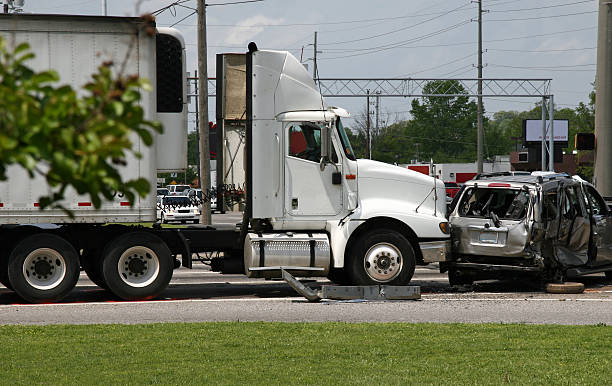
Trucking accidents can happen quickly—for many different reasons. While trucking accidents have decreased over the last two years, it’s important for truck drivers and others on the road to know the potential hazards and how to help avoid them.
Let’s take a look at common causes of trucking accidents and how drivers and employers can help combat them.
Five common causes of truck accidents
Distracted driving
From cellphones to food and drinks, distractions are an issue for anyone behind the wheel of a vehicle—and something that everyone has a role in combatting.
Driver fatigue
Truck drivers in particular are on the road for hours at a time—many times overnight. Fatigue impairs judgment and reaction time, increasing the risk of an accident. It’s up to all drivers to recognize when they’re too tired to drive and take steps to stay rested and focused. And it’s up to employers to reinforce safe habits and industry guidelines for rest periods.
No zones
No zones—also known as truck blind spots—are specific areas on the road that truck drivers can’t see because of the size of their vehicles. If you’re driving in one of these zones, the truck driver won’t be able to see you, creating circumstances where an accident is more likely.
Speeding
Speeding impairs the driver’s ability to react to unexpected road conditions or traffic changes. It can be especially dangerous for truck drivers or other drivers navigating around semis.
Trucks take about 40% longer to come to a complete stop than passenger vehicles, which means truck drivers and others need to help ensure there’s enough time and distance to allow a safe stop.
Incorrect cargo loading
When cargo isn’t loaded or secured properly, it can shift during transit—making it harder for a truck driver to control the vehicle. Proper training, procedures, and inspections are essential to help ensure cargo is loaded safely every time.
Tips to help avoid trucking accidents
What drivers can do to help avoid truck accidents
Whether you’re behind the wheel of a semi-truck or a compact car, staying safe on the road starts with smart, attentive driving. Keep these tips in mind to help protect yourself and others on the road:
- Stay focused. Avoid distractions like texting, making phone calls, eating, or adjusting your GPS while driving. As mentioned above, distracted driving is a common cause of truck accidents.
- Be aware of no zones. For non-truck drivers, it’s important to understand where a truck’s no zones—or blind spots—are and stay out of them whenever possible. For truck drivers, be aware of the traffic around you. Other drivers can enter your blind spots quickly. Give plenty of notice when turning, changing lanes, or stopping so other drivers have time to move out of the way.
- Maintain safe distances: Give trucks and other vehicles plenty of space to maneuver and stop safely. Following too closely can easily cause an accident if another vehicle needs to make a sudden movement. This is especially true when semis are involved know the proper truck following distance.
- Maintain safe driving habits: Obey speed limits, use turn signals, and adjust your driving for weather and traffic conditions. These may seem like common sense practices, but even something as small as forgetting to use your turn signal can cause an accident.
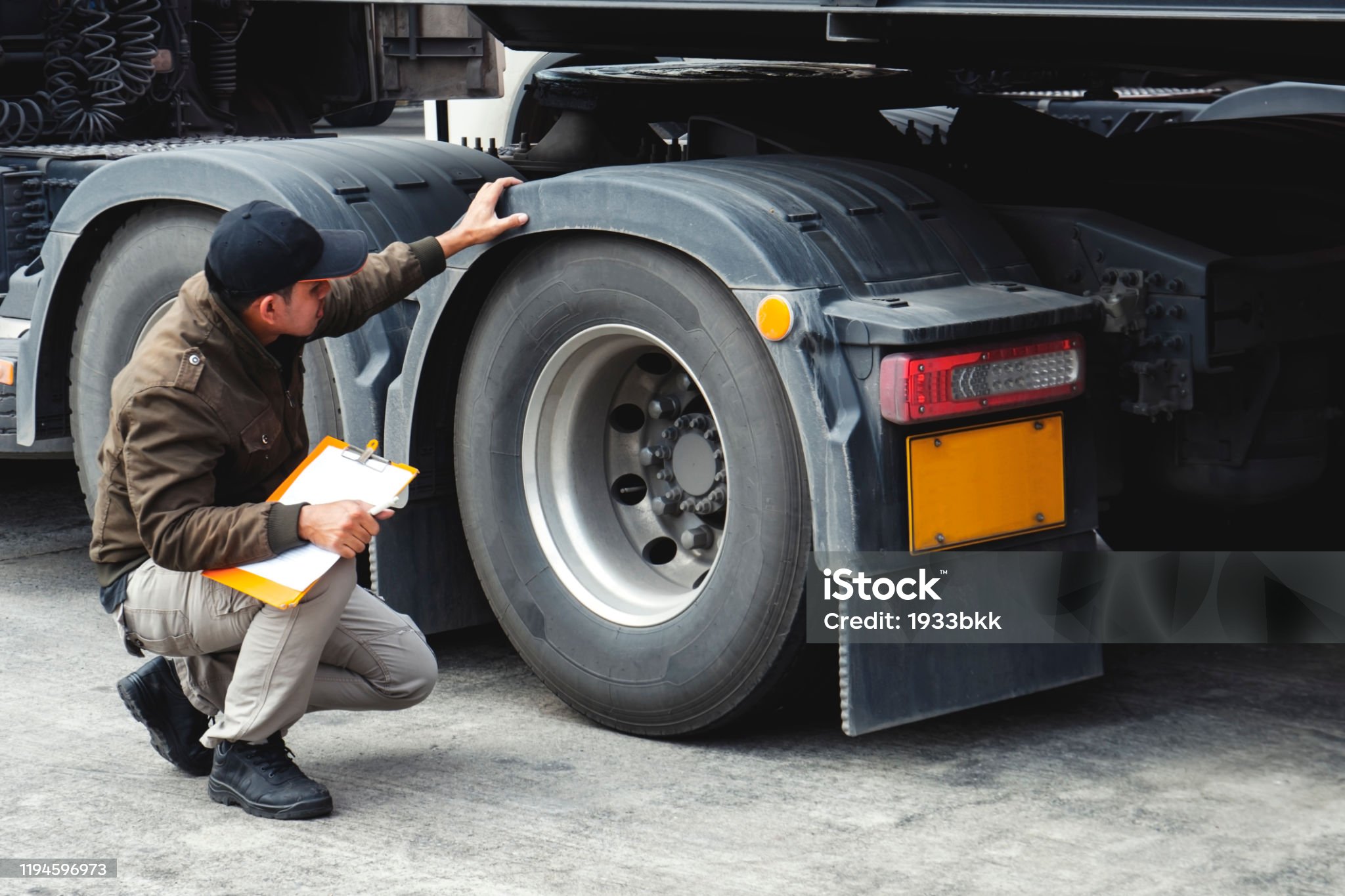
- Inspect your vehicle: Before hitting the road, check your tires, lights, brakes, and mirrors to help ensure everything’s working properly. Again, even minor factors can cause accidents.
What employers can do to help avoid truck accidents
By creating a culture of responsibility and supporting drivers with the right tools and practices, employers can have a proactive role in safe driving. Start with these steps:
- Lead by example. Avoid calling or texting your drivers when they’re likely behind the wheel. Model the same focused-driving behaviors you expect from your team.
- Hire carefully. Prioritize safety from the start by reviewing motor vehicle records (MVRs) and screening candidates for responsible driving history. Also check the MVRs of current drivers on an annual basis.
- Build a strong safety program. Implement proactive safety policies, ongoing training, and clear expectations around safe driving practices. Safety policies around cellphones are especially important. At Sentry, our Safety Services team can help you develop a program that works for your business.
- Inspect trucks carefully. Make sure trailers are in good shape and loads are properly secured before a trip. Check brake lights, tires, and other vital parts before leaving.
- Invest in telematics. Telematics technology can provide valuable insights into driver behavior, vehicle performance, and potential risks helping you take proactive steps to improve safety.
If you’re involved in a trucking accident, we make it easy to file a claim, whether you’re a first- or third-party claimant.
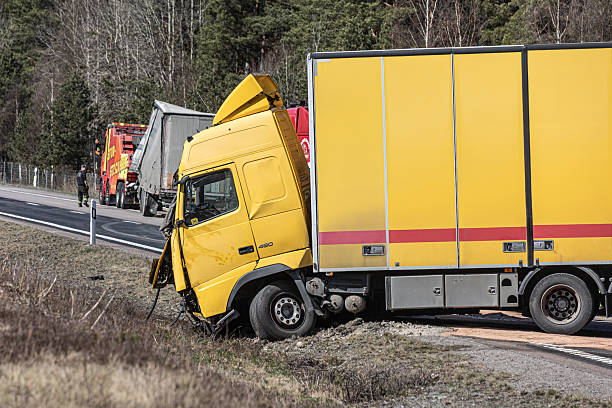
Truck Accidents Caused by Commercial Truck Drivers
Big rig and other commercial truck drivers are skilled and patient drivers, for the most part. However, in addition to the dangers inherent in the size and weight of the trucks used in commercial transportation and shipping, there are industry characteristics that further complicate safety, such as:
- Inadequate trucker training in driving technique, safety concerns, and defensive driving
- Systems of compensation in the trucking industry that encourage faster vehicle speeds and more hours of consecutive vehicle operation than would normally be advisable
- Unrealistic schedules and expectations of trucking companies that encourage drivers to hurry, despite the safety risks
Q: What role does distracted driving play in commercial truck accidents?
Distracted driving is a significant problem in many vehicle accidents, but it plays an even bigger role in commercial truck accidents due to the size and weight of these vehicles. Distracted driving can take many forms:
- Using a cell phone
- Adjusting the radio or GPS
- Eating
- Daydreaming
When a commercial truck driver becomes distracted, they may not have time to react to changes in road conditions. Due to the sheer size and mass of commercial trucks, they need more time and distance to stop or change directions compared to smaller vehicles. Any distraction, even for a few seconds, can lead to severe or fatal accidents.
Q: How does driver fatigue contribute to truck accidents?
Driver fatigue is a widespread issue in the trucking industry. Commercial truck drivers often have demanding schedules requiring them to drive for extended periods. Fatigue can significantly reduce a driver’s reaction time, decision-making ability, and overall awareness. This increases the likelihood of accidents.
Q: Are fatalities common in commercial truck accidents?
Yes, unfortunately, fatalities are common in commercial truck accidents. Commercial trucks, due to their significant size and weight, can cause extensive damage in collisions. Occupants of smaller vehicles often suffer severe injuries. The likelihood of fatalities is much higher than in accidents involving only passenger vehicles. It’s not uncommon for such accidents to result in multi-car pileups. This further increases the risk of fatal outcomes.
Q: How can Hours of Service rules impact truck accidents?
Hours of Service (HOS) rules are regulations put in place by the FMCSA. They control the working hours of commercial drivers. These rules are designed to prevent driver fatigue. They limit the number of consecutive hours a driver can be on duty. They also specify mandatory rest periods. But enforcing these rules can be challenging. Violations are not uncommon. When drivers exceed these limits, they can become fatigued and less attentive. This increases the risk of accidents.
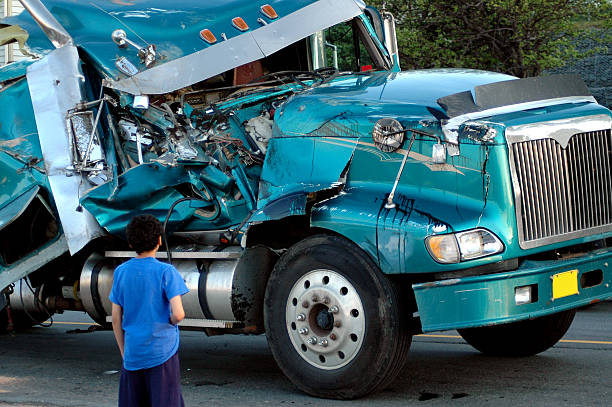
Q: What should I do if I have high medical bills due to a commercial truck accident?
If you’re facing high medical bills as a result of a commercial truck accident, seek legal advice ASAP. A personal injury lawyer with experience in truck accidents can help you understand your rights. They can guide you through the process of making a claim. You may be entitled to compensation for your medical bills. You might also be entitled to other damages such as lost wages, pain and suffering, and more. Each case is unique. Discuss your situation with an attorney to understand the best course of action.
Q: How do road conditions contribute to truck accidents?
The state of roadways can significantly contribute to truck accidents. Issues like potholes, loose gravel, lack of proper signage, and dangerous curves can all pose risks for commercial truck drivers.
Additionally, adverse weather conditions such as rain, snow, or fog can also increase the risk of accidents. These conditions reduce visibility and make the roads slippery. Commercial trucks can be especially difficult to control in such conditions. This can lead to accidents.
Q: What is a rollover accident in the context of commercial trucks?
Rollover accidents are incidents where a truck tips over onto its side or roof. These types of accidents are particularly dangerous. They often result in severe damage and injuries.
Commercial trucks are more susceptible to rollovers. This is due to their high center of gravity and heavy loads. If a driver makes a sudden maneuver or takes a curve too quickly, the truck can easily tip over. Road conditions, weather, and the truck’s speed also play a role in the likelihood of rollover accidents. Rollover accidents are among the most dangerous types of commercial truck accidents. This is due to the potential for extensive damage and high fatality rates.
Q: What are blind spots in relation to commercial trucks?
Blind spots, also known as “no-zones,” are areas around a commercial truck where the driver has limited or zero visibility, even with the use of side and rearview mirrors. These blind spots are much larger for commercial trucks than for passenger vehicles.
Typically, a truck’s blind spots are directly behind the truck’s trailer, immediately in front of the cab, and along the sides, especially near the driver and passenger doors. Due to these large blind spots, commercial truck drivers might not see smaller vehicles, bicyclists, or pedestrians in these areas, increasing the risk of accidents. Drivers should avoid lingering in these blind spots whenever possible.
Q: Can the truck driver’s employer be held responsible for the accident?
Yes, a trucking company can often be held responsible for accidents involving their vehicles or drivers who are at fault. This is under the legal principle of “vicarious liability,” where an employer can be held responsible for the actions of its employees performed within the course of their employment.
Factors that might lead to company liability include:
- Failing to train drivers adequately
- Pushing drivers to disregard Hours of Service regulations to meet strict delivery deadlines
- Not adhering to mandatory maintenance schedules for their trucks
If it can be proven that the company was negligent in its duties, it can be held financially responsible for the injuries and damages resulting from an accident.
Q: What happens if a truck accident is caused by driving under the influence?
Driving under the influence (DUI) of drugs or alcohol is a serious crime. It is even more dangerous when it involves commercial truck drivers.
If a truck accident occurs as a result of DUI, the truck driver can face severe criminal charges and loss of their commercial driver’s license. From a civil perspective, victims or their families may also sue the truck driver and potentially the driver’s employer for damages. Damages can include:
- Medical expenses
- Property damage
- Lost wages
- Pain and suffering
- In the case of fatal accidents, wrongful death claims







Leave a Reply