

I keep hearing the same question is AI going to put us out of business., Our self-driving trucks drones and automated warehouses going to wipe out small carriers in the next 5 to 10 years. Well let’s talk about it. Amazon is pushing delivery drones, UPS is testing self-driving trucks. UPS has been secretly hauling cargo using self-driving trucks. That’s right the company has put its minority stake in automated Trucking startup too simple to work for over 3 months. Self-driving trucks have been hauling cargo back and forth between Phoenix and Tucson Arizona. AI power low boards are getting smarter the question is are you adapting or are you going to be left behind
Advantages Of AI Trucks

Safety
Autonomous trucks are equipped with Advanced sensors and technology that allow them to detect obstacles monitor traffic conditions and react to potential hazards faster than human drivers. This can help reduce accidents and improve road safety and if it were to be involved in an accident there is not a person in it who could get hurt
Efficiency
Additionally, autonomous trucks have the potential to increase efficiency and productivity. In the transportation industry they can operate around the Clock without the need for brakes or rest allowing for faster delivery time and reduced transportation costs. This increased efficiency can benefit both businesses and consumers by streamlining supply chains and reducing shipping times. Autonomous trucks also have the potential to reduce emissions and environmental impact by optimizing routes and driving patterns. Autonomous trucks can minimize fuel consumption and greenhouse gas emissions this can help mitigate the environmental impact of transportation and contribute to efforts to combat climate change.
Disadvantages Of AI Trucks
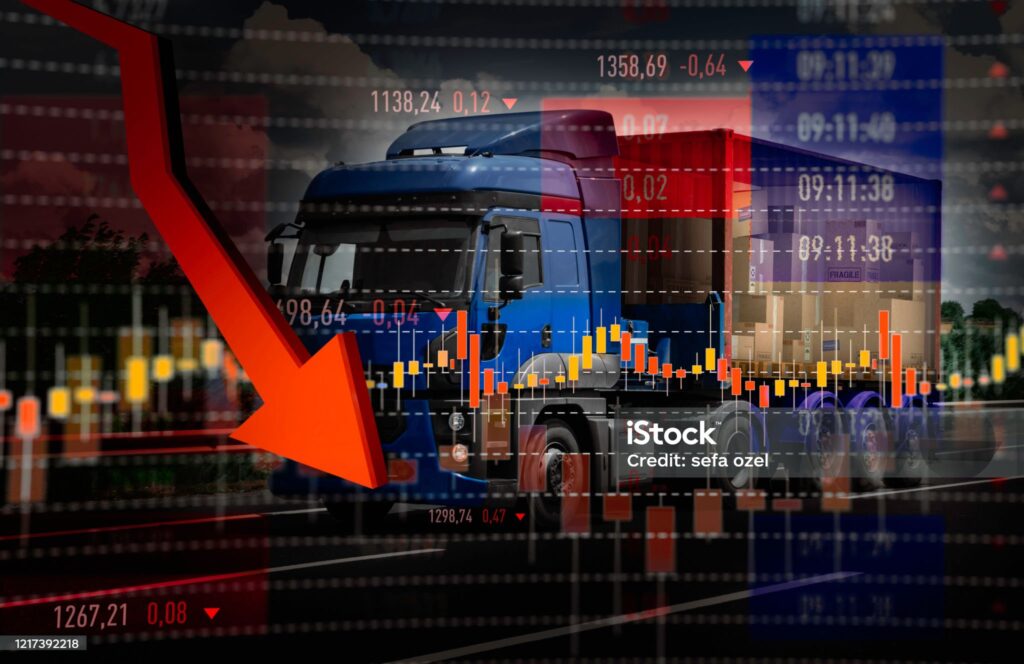
Despite these potential benefits there are several disadvantages and challenges associated with autonomous trucks that prevent them from completely replacing traditional trucks
Technology’s reliability
One of the primary concerns is the technology’s reliability and safety while autonomous trucks are equipped with Advanced sensors and systems. They’re not infallible and can still encounter technical glitches or malfunctions
Regulatory And Legal Hurdles
Another significant challenge is Regulatory and legal hurdles autonomous trucks operate in a complex regulatory environment with varying laws and regulations governing their use in different jurisdictions. This can create challenges for companies looking to deploy autonomous trucks on a large scale and may slow down their adoption. Additionally, there are concerns about job displacement and the impact on employment in the transportation industry. While autonomous trucks have the potential to increase efficiency and productivity. They could also lead to job losses for truck drivers and other workers in the industry. This could have significant economic and social implications. Furthermore, there are questions about the ethical and moral implications of autonomous trucks. For example, who is responsible in the event of an accident involving an autonomous truck. How do we ensure that autonomous trucks prioritize safety and make ethical decisions on the road. These are the complex questions that need to be addressed as autonomous technology continues.
Some Examples of AI Trucks
The Volvo Vera
Let’s look at Volvo’s example of an autonomous truck. Volvo Vera is a revolutionary autonomous electric truck developed by Volvo trucks. It represents Volvo’s vision for the future of transportation aiming to provide a sustainable efficient and safe solution for Logistics operations. Here are some key features and aspects of Volvo Vera.
Vera is designed to operate without a human driver. It utilizes advanced sensors cameras and software to navigate its surroundings make decisions and interact with other vehicles and infrastructure. Vera is fully electric powered by a battery electric drivetrain. This design choice not only reduces emissions but also contributes to a quieter and more environmentally friendly operation.
Despite operating autonomously safety is a top priority for Vera it is closely monitored by control center operators who oversee its operations and intervene if necessary. Additionally vera adheres to strict safety standards and regulations to ensure a secure transportation environment. While vero’s current focus is on specific Logistics tasks. Volvo trucks sees potential for its application in various other contexts as technology advances and infrastructure evolves. Vera could play a significant role in reshaping the transportation industry offering benefits in terms of efficiency sustainability and safety.
The Scania AXL
The Scania Axl represents a groundbreaking development in the realm of heavy self-driving vehicles designed as a fully autonomous comp concept truck. It is notable for its innovative approach. Even without a traditional cab the Scania Axl is particularly well suited for use in environments like mines and large closed construction sites. These controlled locations provide ideal conditions for testing and implementing self-driving technology. While self-driving trucks with Safety drivers are already in customer operations. The Scania Axl represents a shift towards fully autonomous vehicles despite the ongoing challenges and uncertainties. Scania remains committed to pushing boundaries and advancing self-driving technology through Vehicles like the Axl despite





Leave a Reply